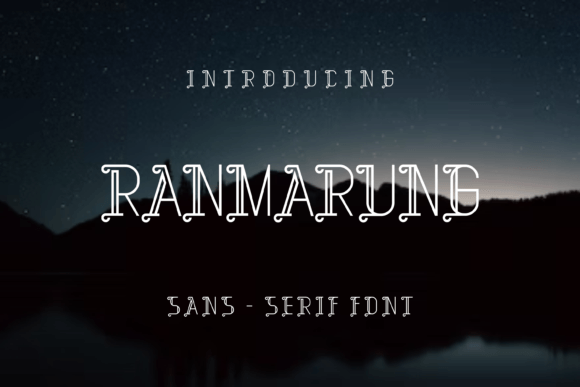
Ranmarung: A Modern Display Font That Elevates Your Designs
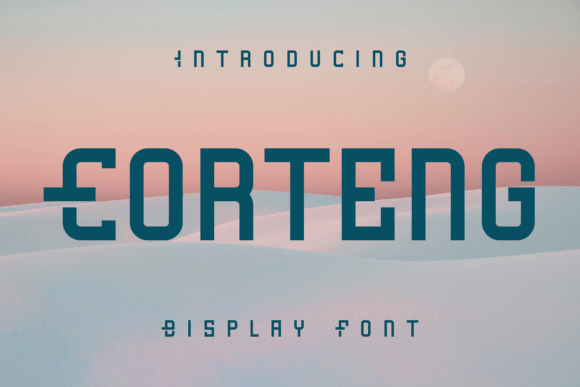
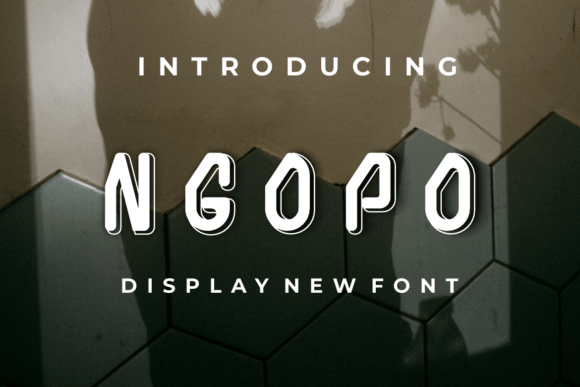
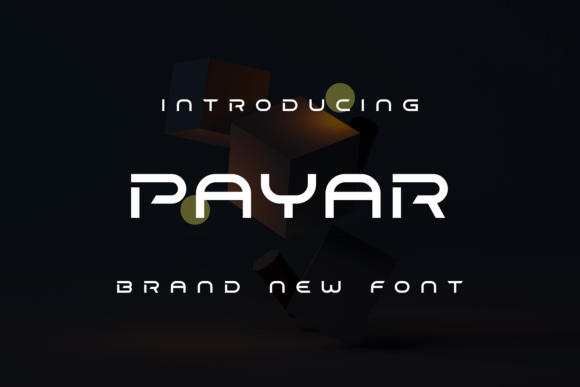
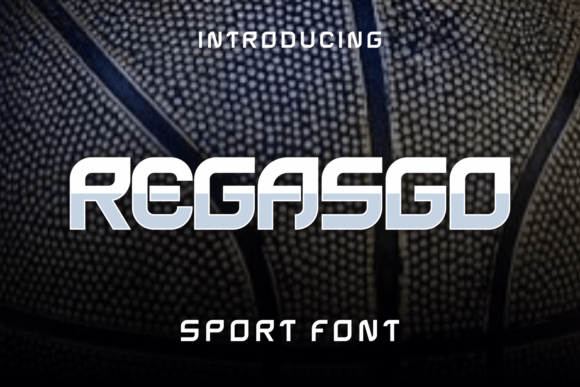
If you're looking for a font that combines elegance with modernity, Ranmarung is a strong contender. This display font is designed to make a statement, whether you're working on branding, web design, or print materials. Its clean lines and distinctive character set it apart from more traditional typefaces, making it a valuable addition to any designer's toolkit.
But while Ranmarung offers a lot of potential, it's important to approach it with the right understanding. Many users overlook key details that can impact how effectively the font performs in different contexts. By addressing these common issues, you can ensure that your use of Ranmarung is both practical and visually compelling.
What Makes Ranmarung Stand Out?
Ranmarung is more than just another font—it’s a versatile tool that can transform the look and feel of your projects. Its design balances simplicity with sophistication, allowing it to work well in both digital and physical formats. Whether you're creating a logo, designing a website, or crafting a poster, this font provides a fresh and contemporary aesthetic that can capture attention without overwhelming the viewer.
One of the reasons designers are drawn to Ranmarung is its adaptability. It works well in headlines, banners, and other prominent text elements where readability and visual impact are essential. However, it's not always the best choice for body text, which is a common mistake many users make.
Common Mistakes When Using Ranmarung
A frequent error is using Ranmarung for long paragraphs of text. While it looks great in short bursts, the font's style may become less legible when used in extended blocks of copy. This can lead to a poor reading experience, especially for audiences who need to process large amounts of information quickly.
Another oversight is not considering the context in which the font will be used. For example, a high-contrast design might work well for a tech startup, but could feel out of place for a more traditional business. Understanding the tone and purpose of your project is crucial before deciding to use Ranmarung.
Some users also fail to check the licensing terms before downloading or purchasing the font. While Ranmarung may be available for free, there are often restrictions on commercial use. Ignoring these details can lead to legal issues down the line, which is something every professional should avoid.
How to Use Ranmarung Effectively
To get the most out of Ranmarung, start by testing it in different scenarios. Try using it for headings and titles first, then gradually incorporate it into other parts of your design. This allows you to see how it interacts with other fonts and layouts without overcomplicating your workflow.
When choosing a font, consider the audience and the message you want to convey. If you're targeting a younger, more tech-savvy demographic, Ranmarung could be an excellent fit. But if your audience prefers a more classic or formal look, you may need to pair it with a complementary typeface to achieve balance.
It's also wise to explore alternatives before finalizing your choice. While Ranmarung is unique, there may be other fonts that better suit your specific needs. Taking the time to compare options can help you make a more informed decision.
Key Checks Before Using Ranmarung
Before incorporating Ranmarung into your work, verify that it's suitable for your intended use. Check the font's license to ensure it aligns with your project's requirements, especially if you're using it commercially. Some fonts may require attribution or have restrictions on redistribution, which can affect your workflow.
Also, test the font across different platforms and devices. What looks good on a computer screen may not render as clearly on a mobile device or printed material. Ensuring cross-platform compatibility helps maintain consistency in your design.
Finally, consider how Ranmarung will interact with other design elements. Does it complement your color scheme? Does it enhance the overall layout, or does it clash with other components? These factors can significantly influence the success of your project.
Realistic Examples and Better Approaches
Imagine you're designing a landing page for a new app. Using Ranmarung for the headline can draw attention and create a modern feel. However, pairing it with a simpler sans-serif font for the body text ensures readability and keeps the design cohesive.
Another example is a social media campaign. Here, Ranmarung can be used to highlight key messages or slogans, adding a stylish touch that stands out in a crowded feed. But again, it's important to use it sparingly to avoid overwhelming the audience.
Instead of relying solely on Ranmarung, consider using it as part of a broader typographic strategy. This approach allows you to leverage its strengths while maintaining clarity and functionality across your designs.
Final Thoughts on Choosing and Using Ranmarung
Ranmarung is a powerful font that can add a modern edge to your work, but it requires thoughtful application. By avoiding common pitfalls and focusing on practical implementation, you can maximize its benefits without compromising usability or quality.
Whether you're a seasoned designer or just starting out, taking the time to understand how to use Ranmarung properly can make a big difference in your results. With the right approach, this font can become a reliable and effective tool in your creative arsenal.