Corteng: A Modern Display Font That Elevates Your Designs
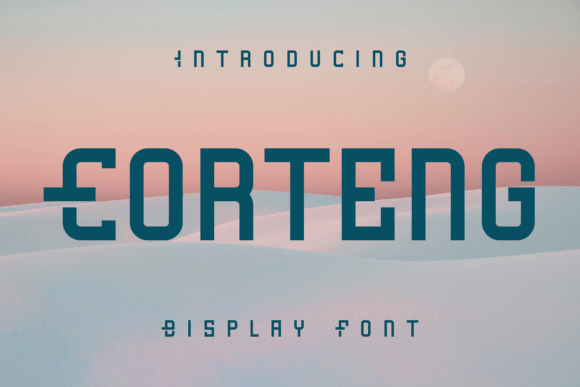
If you're looking for a font that combines elegance with versatility, Corteng is a name you should know. This modern display font has quickly become a favorite among designers, marketers, and creators who want to add a touch of sophistication to their work. Whether you're designing a logo, crafting a website, or creating social media content, Corteng offers a clean, professional look that can make your projects stand out.
But like any tool, Corteng isn't without its challenges. Understanding how to use it effectively can mean the difference between a great design and a forgettable one. Let's explore what makes Corteng special, common pitfalls to avoid, and how to get the most out of this font.
What Makes Corteng Stand Out?
Corteng is more than just another font—it's a carefully crafted typeface designed for clarity, readability, and visual impact. Its modern structure gives it a sleek appearance that works well in both digital and print formats. The font's balanced proportions and subtle details make it suitable for a wide range of applications, from headlines and banners to branding materials and presentations.
One of the reasons designers are drawn to Corteng is its ability to convey professionalism without being overly formal. It strikes a perfect balance between contemporary and timeless, making it ideal for businesses that want to project a modern yet trustworthy image. Whether you're working on a corporate identity or a personal project, Corteng can help you achieve a polished look.
Common Mistakes When Using Corteng
While Corteng is a powerful tool, using it incorrectly can lead to subpar results. One of the most common mistakes is overusing the font. Because Corteng is so visually appealing, some users may try to apply it to every element of their design, which can result in a cluttered and unbalanced layout. Remember, less is often more when it comes to typography.
Another mistake is not considering the context in which Corteng will be used. While it works well for headings and titles, it may not be the best choice for body text. Corteng's style is optimized for display purposes, and using it for long paragraphs can reduce readability. Always test the font in different sizes and settings to ensure it meets your needs.
Some users also overlook the importance of font licensing. Before downloading or purchasing Corteng, make sure you understand the terms of use. Using the font without proper licensing can lead to legal issues, especially if you're using it for commercial projects. Always verify that you have the right to use the font in the way you intend.
How to Avoid Common Pitfalls
To get the most out of Corteng, start by understanding its strengths and limitations. Use it as a headline or title font rather than for extended text. Pair it with a complementary font for body text to create contrast and improve readability. For example, pairing Corteng with a simple sans-serif like Arial or Helvetica can create a clean, professional look.
Before finalizing your design, always test Corteng in different environments. View it on various devices and screen sizes to ensure it looks good everywhere. Also, consider how it appears in black and white versus color. Some fonts can lose their visual appeal when converted to grayscale, so it's important to check that.
When downloading Corteng, choose a reputable source to ensure you're getting a high-quality, properly licensed version. Avoid unofficial websites that may offer the font for free but could include malware or incorrect file types. Always read the license agreement carefully to avoid unexpected restrictions or costs.
Realistic Examples of Better Choices
Imagine you're designing a website for a tech startup. Instead of using Corteng for all text elements, use it for the main heading and subheadings. For the body copy, opt for a more readable font like Roboto or Open Sans. This approach maintains visual interest while ensuring the content remains easy to read.
Another example is when creating a social media post. Using Corteng for the headline can grab attention, but using it for the entire caption might make the text hard to follow. Instead, use Corteng for the main message and pair it with a simpler font for the supporting details.
For a business card, Corteng can be an excellent choice for the company name and tagline. However, avoid using it for the address or contact information. A more traditional font like Times New Roman or Georgia can provide better legibility in small sizes.
What to Check Before Using Corteng
Before incorporating Corteng into your project, take the time to evaluate its suitability. Ask yourself: Does this font match the tone and purpose of my design? Is it appropriate for the medium I'm using? Will it be easy for my audience to read?
Also, consider the cultural and contextual implications of the font. Some fonts may carry specific connotations that don't align with your brand or message. Researching the font's history and usage can help you make a more informed decision.
Finally, always keep a backup plan. If Corteng doesn't work as expected, have alternative fonts ready to use. Flexibility in your design process can save time and prevent last-minute changes.
Conclusion: Make the Most of Corteng
Corteng is a versatile and stylish display font that can enhance your designs when used correctly. By avoiding common mistakes and following practical guidelines, you can ensure that your projects look professional and impactful. Whether you're a beginner or an experienced designer, Corteng offers a valuable addition to your typographic toolkit.
Take the time to learn how to use it effectively, and you'll find that Corteng can elevate your work in ways you never imagined.