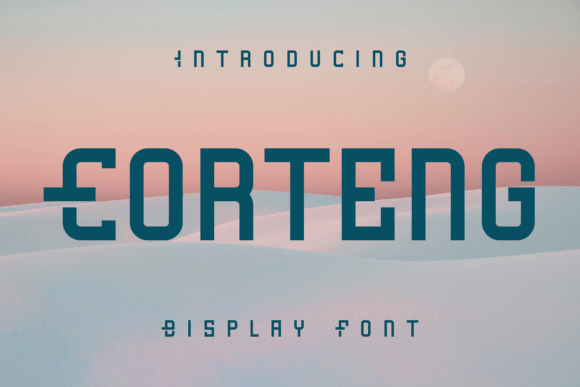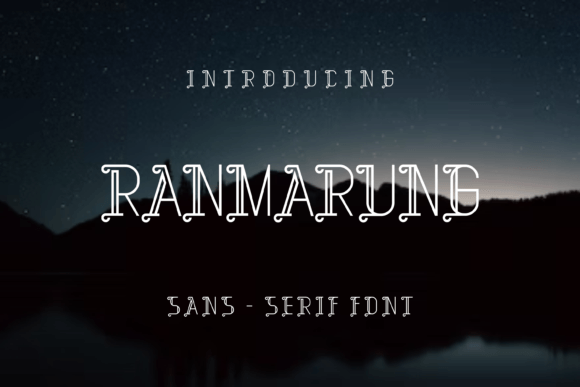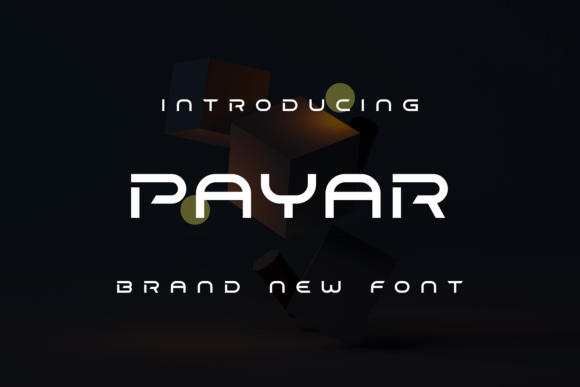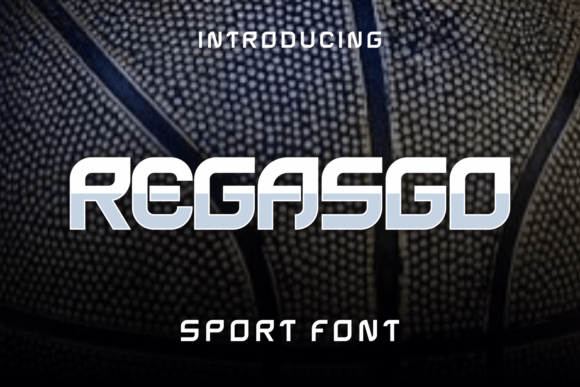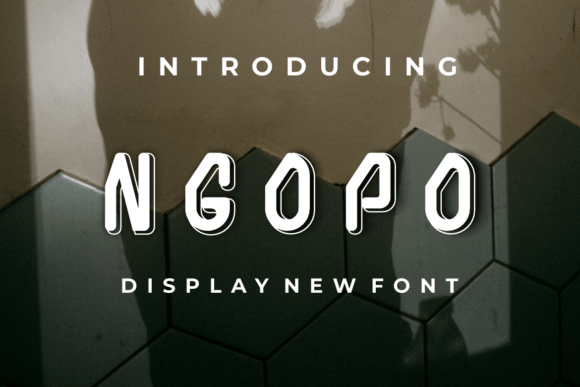
Ngopo: A Modern, Cool Display Font That Elevates Your Designs
If you're looking for a font that combines modernity with a touch of coolness, Ngopo is a standout choice. This display font has gained attention for its clean lines, bold personality, and versatility across different design projects. Whether you're working on a logo, website, or social media graphic, Ngopo can add a fresh and dynamic look to your work.
But while Ngopo offers a lot of potential, it's important to understand how to use it effectively. Many designers and creators make common mistakes when choosing and applying this font, which can lead to less-than-optimal results. Let's explore what Ngopo is, why it's appealing, and how to avoid pitfalls that could undermine your design efforts.
What Is Ngopo and Why It Matters
Ngopo is a contemporary display font designed for visual impact. Its unique character set and stylistic elements make it ideal for headings, titles, and other prominent text elements. Unlike more traditional fonts, Ngopo brings a sense of energy and modernity that can help your designs stand out in a crowded digital space.
Designers often turn to Ngopo when they want to convey a sense of innovation or trendiness. It works well in branding, advertising, and creative projects where a strong visual identity is essential. However, its bold nature means it's not always the best choice for body text or long paragraphs, where readability is key.
Common Mistakes When Using Ngopo
One of the most frequent mistakes is using Ngopo in situations where legibility is crucial. While it looks great as a headline, it can be difficult to read in smaller sizes or when used extensively. This can lead to poor user experience, especially on websites or documents where clarity is important.
Another common error is overusing Ngopo without considering contrast and hierarchy. A design that relies too heavily on this font can feel overwhelming or unbalanced. Instead of using it for every element, it's better to pair it with complementary fonts that provide contrast and support its visual impact.
Some users also overlook the importance of proper licensing when downloading and using Ngopo. Failing to check the terms of use can lead to legal issues, especially if the font is used in commercial projects without the right permissions. Always verify the license before incorporating Ngopo into any design.
How to Avoid These Mistakes
To get the most out of Ngopo, start by understanding its strengths and limitations. Use it as a focal point rather than a background element. For example, apply it to headlines, logos, or call-to-action buttons where it can shine without compromising readability.
Consider pairing Ngopo with a more neutral or classic font for body text. This creates a balanced composition and ensures that your message remains clear and accessible. A good combination might be Ngopo for titles and a sans-serif like Open Sans or Lato for the rest of the content.
Before downloading or purchasing Ngopo, take time to review the licensing terms. Make sure you have the right to use it in your intended context—whether personal, commercial, or for a client project. Some fonts may require additional licenses for web use or print production, so it's wise to confirm these details upfront.
Realistic Examples and Better Approaches
Imagine you're designing a website for a tech startup. Using Ngopo for the main heading can create a strong first impression, but using it for all the subheadings and body text would likely make the site hard to navigate. Instead, use Ngopo for the title and a simpler font for the rest of the content to maintain clarity and flow.
Another scenario involves a social media campaign. Ngopo can be a powerful tool for eye-catching captions or banners, but it should be used sparingly. Too much text in Ngopo can make the message feel cluttered or confusing. Keep it simple and focused to ensure your audience engages with the content effectively.
What to Check Before Using Ngopo
Before integrating Ngopo into your design, consider the following factors:
- Readability: Test the font at different sizes and in various contexts to ensure it remains legible.
- Contrast: Ensure there's enough contrast between the font and the background for optimal visibility.
- Licensing: Confirm that you have the appropriate rights to use Ngopo in your specific project.
- Compatibility: Check that the font works well with other elements in your design, such as images, colors, and layout.
- Purpose: Determine whether Ngopo aligns with the tone and goals of your project.
By taking these steps, you can make informed decisions about when and how to use Ngopo, ensuring it enhances rather than hinders your design outcomes.
Conclusion: Use Ngopo Confidently and Wisely
Ngopo is a versatile and stylish display font that can bring a modern edge to your designs. However, its effectiveness depends on how it's applied. By avoiding common mistakes and making thoughtful choices, you can leverage Ngopo to create visually striking and functional work.
Whether you're a designer, marketer, or business owner, Ngopo offers a unique opportunity to elevate your visual identity. With the right approach, you can confidently add this font to your projects and enjoy the results it delivers.