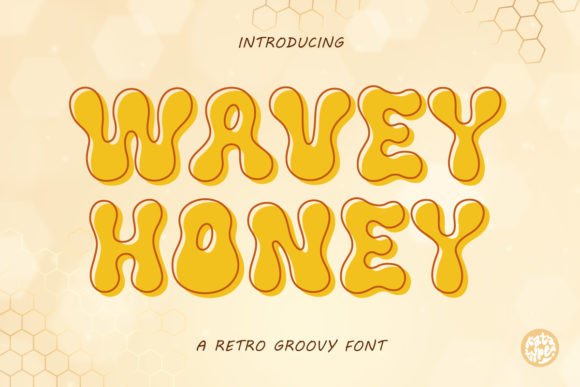
Wavey Honey: A Retro-Groovy Display Font with Character
Wavey Honey is a display font that brings a sense of positivity and charm to any design project. With its retro-groovy aesthetic, it offers a unique blend of style and personality that can elevate the visual appeal of headings, quotes, logos, and more. Designed for those who want to add a touch of whimsy and nostalgia to their work, Wavey Honey stands out as a versatile option in the world of typography.
What Is Wavey Honey?
Wavey Honey is a hand-drawn display font that features flowing lines and a playful structure. Its design is inspired by vintage typefaces from the mid-20th century, incorporating elements that evoke a sense of fun and nostalgia. The font’s irregular shapes and soft curves give it a distinct character, making it ideal for projects that require a personal or artistic touch.
The font includes a range of stylistic variations, allowing users to customize their designs while maintaining a cohesive look. It is available in multiple weights, providing flexibility for different design needs. Whether used for branding, merchandise, or web content, Wavey Honey adds a unique flair that can differentiate a project from others.
Why Someone Might Be Interested in Wavey Honey
Designers and creators looking for a font that stands out may find Wavey Honey appealing. Its retro-groovy style can be particularly effective for projects targeting audiences that appreciate vintage aesthetics or creative expression. For instance, businesses in the fashion, music, or art industries might use Wavey Honey to create a distinctive brand identity.
Additionally, Wavey Honey is well-suited for projects that require a friendly and approachable tone. Its playful appearance can make text feel more inviting, which is beneficial for marketing materials, social media posts, or website headers. The font’s character makes it a strong choice for designers who want to convey a sense of warmth and positivity through typography.
Benefits of Using Wavey Honey
One of the main advantages of Wavey Honey is its ability to add visual interest without overwhelming the design. Its organic shape and fluid lines make it easy to integrate into various layouts while maintaining readability. This balance between style and functionality is essential for fonts used in headings or titles, where clarity is important.
Another benefit is its versatility across different mediums. Whether used in print, digital formats, or on merchandise, Wavey Honey retains its unique character. This adaptability makes it a practical choice for designers working on multi-platform projects. Additionally, its availability in multiple weights allows for greater control over the visual hierarchy of a design.
Considerations and Tradeoffs
While Wavey Honey offers a distinctive look, it may not be suitable for all types of projects. Its stylized appearance can sometimes reduce legibility, especially in smaller sizes or when used extensively in body text. Designers should consider the context in which the font will be used and ensure that it aligns with the overall design goals.
Furthermore, the font’s retro aesthetic may not resonate with all audiences. Depending on the target demographic, a more modern or minimalist font could be more appropriate. It’s important to evaluate whether the style of Wavey Honey matches the intended message and audience expectations.
Situations Where Wavey Honey Is a Strong Fit
Wavey Honey excels in projects that aim to evoke a nostalgic or artistic vibe. It is particularly effective for branding initiatives that seek to establish a unique and memorable identity. For example, a boutique clothing line or an independent music label might use Wavey Honey to create a cohesive visual theme that reflects their brand values.
The font is also well-suited for creative campaigns, such as promotional posters, album covers, or event invitations. Its playful nature can help capture attention and convey a sense of energy and excitement. In these contexts, Wavey Honey can serve as a powerful tool for visual storytelling.
Situations Where Alternatives May Be Worth Considering
In cases where clarity and professionalism are paramount, alternatives to Wavey Honey may be more appropriate. For instance, a corporate website or formal document may benefit from a clean, sans-serif font that ensures readability across different devices and screen sizes. Similarly, projects targeting a broad or diverse audience might require a more neutral typeface to maintain accessibility and inclusivity.
Designers should also consider the technical aspects of using Wavey Honey. If a project requires extensive text in multiple languages or special characters, the font’s support for these elements should be verified. In some cases, a more comprehensive font family may offer better functionality and reliability.
Decision-Making Insights
When deciding whether to use Wavey Honey, designers should assess the specific needs of their project. Factors such as the target audience, the desired tone, and the overall design aesthetic should all play a role in the selection process. Testing the font in different contexts can help determine its effectiveness and suitability.
It’s also helpful to compare Wavey Honey with other similar fonts to understand how it stacks up in terms of style, functionality, and usability. By evaluating these factors, designers can make informed choices that align with their creative goals and practical requirements.
Ultimately, Wavey Honey offers a unique and expressive option for those looking to add character and personality to their designs. While it may not be the best fit for every project, its retro-groovy charm can be a valuable asset in the right context. By carefully considering its strengths and limitations, designers can determine whether it aligns with their vision and objectives.