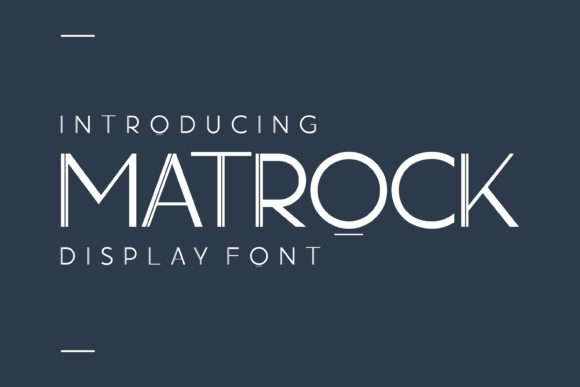
Matrock: A Bold and Stylish Display Font
If you're looking for a font that commands attention while maintaining a refined aesthetic, Matrock is a standout choice. This display font blends modern typography with a touch of elegance, making it ideal for projects where visual impact matters. Whether you're designing a logo, crafting social media graphics, or working on editorial layouts, Matrock adds a unique flair that sets your work apart.
Matrock's design features sharp lines, balanced proportions, and subtle detailing that give it a polished look. It’s not just about style—it’s about functionality. The font is meticulously crafted to ensure clarity and consistency across different sizes and mediums. Its versatility makes it a valuable addition to any designer’s toolkit.
What Makes Matrock Stand Out?
Matrock has a distinct personality that combines strength with sophistication. It’s not a typical serif or sans serif font—it falls into the category of a premium display font, which means it’s best used in situations where it can shine without overwhelming the reader. Its structure allows it to work well in headlines, titles, and other prominent text elements.
The font’s appeal lies in its ability to balance boldness with readability. While it’s designed to be eye-catching, it doesn’t sacrifice legibility. This makes it suitable for both digital and print applications, from web design to packaging. Its detailed strokes and consistent weight distribution contribute to a clean, professional appearance that works across various platforms.
One of the most appealing aspects of Matrock is its adaptability. It can be paired with a range of other fonts to create visually engaging compositions. For instance, pairing it with a simple sans serif like Helvetica or Roboto can create a striking contrast that highlights its unique characteristics. Similarly, using it alongside a script font can add an artistic touch to branding materials or creative projects.
Where Does Matrock Excel?
Matrock thrives in contexts where visual impact is key. It’s particularly effective in logo design, where it can convey a sense of authority and creativity. Its strong presence makes it a great choice for brand identities that aim to stand out in a competitive market.
In editorial design, Matrock can elevate the look of magazine covers, book titles, and article headings. Its clean yet distinctive style helps draw readers in while maintaining a level of sophistication. When used in print materials like brochures or posters, it adds a touch of class that can make a lasting impression.
For digital projects, Matrock works well in web design, especially for hero sections, call-to-action buttons, and site headers. Its high detail ensures it remains sharp and clear on screens of all sizes. In social media graphics, it can help create visually appealing posts that catch attention and reinforce brand messaging.
Matrock also excels in packaging design, where it can be used to create eye-catching labels or product names. Its strong visual identity helps products stand out on shelves, making it a useful tool for small businesses and entrepreneurs looking to build a memorable brand.
How Matrock Influences Design and Branding
Using Matrock can have a significant impact on how your design is perceived. Its bold and stylized appearance can enhance visual hierarchy by drawing attention to key elements. This is especially useful in marketing materials where clear communication is essential.
From a branding perspective, Matrock contributes to a cohesive and professional look. When used consistently across different touchpoints—such as websites, business cards, and advertisements—it helps build brand recognition. Its unique character can also differentiate a brand from competitors, giving it a more memorable identity.
Readability is another important factor to consider. While Matrock is highly readable at larger sizes, it may not be the best choice for body text. Instead, it should be reserved for headings, titles, and other prominent elements where its visual appeal can be fully appreciated.
When evaluating whether Matrock fits a project, consider the tone and purpose of the work. If the goal is to create something bold and expressive, this font is an excellent fit. However, if the focus is on simplicity and clarity, a more restrained typeface might be more appropriate.
Practical Tips for Using Matrock
Before incorporating Matrock into your design, test it in different contexts to see how it performs. Try using it in various sizes and backgrounds to ensure it maintains its clarity and impact. This will help you determine the best ways to use it without compromising readability.
Font pairing is another crucial aspect. Experiment with different combinations to find what works best for your project. A classic pairing might involve a serif font for body text and Matrock for headings. Alternatively, a modern sans serif could provide a contemporary contrast that complements the font’s style.
Review the available styles of Matrock to understand its full potential. Some fonts come in multiple weights or variations, such as bold, light, or italic. These options can expand the ways in which you use the font, allowing for greater flexibility in your designs.
Finally, consider the licensing terms when using Matrock for commercial projects. Ensure that you have the proper rights to use the font in your work, especially if it’s for a client or public-facing application. This will help avoid any legal issues down the line.
Matrock is more than just a font—it’s a design asset that can elevate your work in countless ways. Whether you’re a designer, marketer, or content creator, this font offers a unique blend of style and functionality that can enhance your projects and strengthen your brand. With careful consideration and thoughtful application, Matrock can become a go-to choice for a wide range of creative endeavors.