Poileas: A Gradient 3D Typeface for Impactful Design
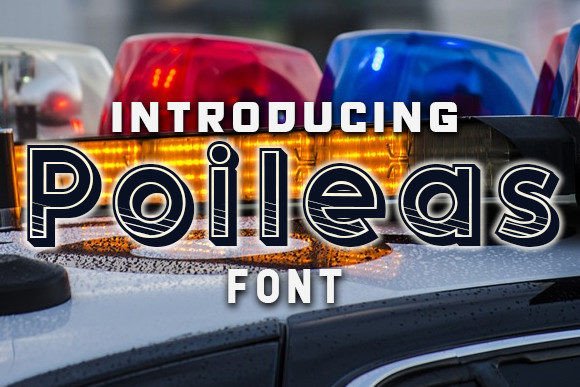
Poileas is a distinctive gradient 3D typeface that offers a bold and dynamic visual presence. Designed for use in headlines and banners, this font combines modern typography with a striking three-dimensional effect, making it ideal for projects that require attention-grabbing text. Its unique aesthetic sets it apart from traditional fonts, providing designers with a powerful tool to enhance the visual appeal of their work.
Understanding Poileas: What Makes It Stand Out
At its core, Poileas is a typeface that emphasizes visual impact through its gradient and 3D effects. Unlike standard fonts that rely on uniform styling, Poileas introduces depth and dimension, allowing text to appear as if it's emerging from the page. This design choice makes it particularly effective in environments where visual hierarchy and emphasis are crucial, such as in digital advertising, branding, or web headers.
The gradient element adds another layer of complexity, enabling designers to experiment with color transitions that can evoke specific moods or highlight key messages. Whether used in a minimalist layout or a vibrant display, Poileas has the potential to elevate the overall design by adding a sense of movement and sophistication.
Reasons to Consider Poileas
For designers and developers looking for a typeface that stands out, Poileas offers several compelling reasons to consider its use. First, its 3D structure provides a level of visual interest that can make headlines more memorable. In an era where attention spans are short, a well-designed headline can significantly influence user engagement.
Additionally, the gradient feature allows for creative expression, giving designers flexibility in how they present information. This adaptability can be especially valuable in projects that require a custom look, such as promotional materials, app interfaces, or website headers. Poileas also supports a wide range of languages and character sets, making it a versatile option for international projects.
Benefits and Tradeoffs of Using Poileas
One of the primary benefits of Poileas is its ability to draw immediate attention. The 3D and gradient effects create a sense of depth that can make text more engaging and visually appealing. This is particularly useful in contexts where the goal is to communicate a message quickly and effectively.
However, there are tradeoffs to consider. The complexity of the font may not be suitable for all design scenarios. In cases where readability is a top priority, such as body text in long-form content, Poileas might not be the best choice. Its intricate design could potentially reduce legibility, especially at smaller sizes or when used in low-resolution environments.
Another consideration is the file size and performance impact. Because of its advanced visual features, Poileas may require more system resources compared to simpler fonts. This could affect loading times or responsiveness, particularly on mobile devices or older systems. Designers should evaluate these factors based on their specific project requirements.
Situations Where Poileas Shines
Poileas is most effective in situations where visual impact is a primary objective. For example, in digital marketing campaigns, where eye-catching headlines can drive user interaction, Poileas can serve as a strong focal point. Its 3D and gradient effects can help differentiate a brand’s messaging from competitors, creating a more memorable impression.
In the realm of web design, Poileas is well-suited for landing pages, hero sections, and other areas where bold typography is needed. It can also be used in video game UI elements, app icons, or social media graphics, where a modern and stylized appearance is desired. When paired with complementary design elements, Poileas can contribute to a cohesive and visually striking aesthetic.
When Alternatives May Be More Appropriate
While Poileas is an excellent choice for certain applications, there are scenarios where alternative fonts might be more suitable. For instance, in projects that prioritize clarity and simplicity, a clean sans-serif or serif font could be more effective. These types of fonts are often easier to read and can maintain a professional tone across various mediums.
Designers should also consider the target audience when choosing a font. If the intended users are not familiar with complex typographic styles, a more straightforward font might be preferable. Additionally, in environments where performance is critical, such as e-commerce websites or mobile apps, using a lighter font file could improve user experience.
Practical Insights for Decision-Making
Before deciding to use Poileas, it's important to assess the specific needs of the project. Ask questions such as: Is visual impact the primary goal? Will the font be used in high-resolution or low-resolution settings? How will it interact with other design elements?
Testing the font in different contexts is also advisable. Previewing Poileas in various sizes, backgrounds, and layouts can help determine its effectiveness and identify any potential issues. This process ensures that the final design aligns with both aesthetic and functional goals.
Finally, considering accessibility is essential. While Poileas offers a visually appealing option, designers should ensure that it meets accessibility standards, particularly for users with visual impairments. Adjusting contrast, spacing, and other elements can help maintain usability without compromising the font’s unique style.
Conclusion
Poileas is a powerful typeface that offers a unique blend of 3D and gradient effects, making it an excellent choice for headlines and banners. Its ability to capture attention and add depth to designs makes it a valuable asset for designers seeking to create visually engaging content. However, its suitability depends on the specific context, and careful consideration of factors like readability, performance, and audience preferences is essential.
By evaluating the strengths and limitations of Poileas alongside other font options, designers can make informed decisions that align with their project goals. Whether used to enhance a brand’s identity or to create a striking visual statement, Poileas has the potential to make a meaningful impact when used thoughtfully.