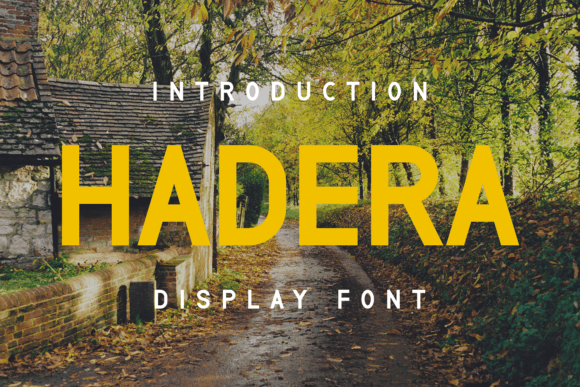
Hadera: A Strategic Choice for Modern Typography
In the world of design, typography is more than just a visual choice—it's a strategic tool that shapes perception, communicates intent, and influences outcomes. Hadera is a modern display font that offers both aesthetic appeal and functional versatility. Its clean lines, balanced structure, and contemporary feel make it an excellent asset for anyone looking to enhance their visual communication. Whether you're designing a brand identity, crafting a marketing campaign, or developing a digital product, Hadera can help elevate your work with its sophisticated yet approachable character.
What sets Hadera apart is its ability to adapt across different contexts without losing its unique personality. It works well in both large-scale headlines and smaller text blocks, making it a flexible option for a wide range of applications. This adaptability is especially valuable when working on projects that require consistency across multiple platforms and formats.
Why Hadera Matters in Strategic Design
Typography isn't just about making things look good—it's about making them work. Hadera supports this principle by offering a typeface that is both visually striking and highly legible. When used thoughtfully, it can help reinforce brand messaging, guide user attention, and create a cohesive visual language that aligns with broader business goals.
For entrepreneurs and small business owners, Hadera can be a powerful ally in building a strong brand presence. Its modern aesthetic appeals to a broad audience, helping to position a brand as innovative and forward-thinking. For marketers, it provides a reliable option for creating eye-catching headlines and call-to-action elements that stand out in a crowded marketplace.
Professionals in creative fields—such as graphic designers, copywriters, and content creators—can benefit from Hadera’s ability to add a touch of sophistication without overwhelming the viewer. It’s a font that supports clarity and impact, allowing users to focus on the message rather than the medium.
When to Use Hadera: Strategic Considerations
Hadera is most effective when used with intention. It thrives in environments where visual simplicity and modernity are valued. This includes branding initiatives, editorial layouts, web design, and digital marketing materials. However, its effectiveness depends on how it’s applied and the context in which it’s used.
Consider using Hadera when you want to convey a sense of professionalism and innovation. It’s ideal for tech startups, creative agencies, and lifestyle brands that aim to project a modern, polished image. In these cases, Hadera can help differentiate a brand from competitors while maintaining a level of accessibility that ensures broad appeal.
On the other hand, Hadera may not be the best choice for projects that require a more traditional or nostalgic tone. If your goal is to evoke a sense of history, heritage, or authenticity, a serif or script font might be more appropriate. The key is to align the font choice with the overall message and audience expectations.
How to Approach Hadera: Practical Tips for Effective Use
Before incorporating Hadera into your design work, take time to understand its strengths and limitations. Start by experimenting with different sizes and weights to see how it performs in various contexts. Pay attention to how it interacts with other design elements such as color, spacing, and imagery.
One practical tip is to use Hadera as a headline font rather than a body text font. Its sharp, geometric structure makes it highly readable at larger sizes, but it may become less legible when used in long paragraphs. If you do use it for body text, ensure that the line spacing and paragraph structure are optimized for readability.
Another consideration is contrast. Hadera pairs well with neutral or minimalist backgrounds, as it allows the font to stand out without competing with other visual elements. Avoid using it alongside overly complex or busy designs, as this can dilute its impact and reduce its effectiveness.
Planning with Hadera: Aligning with Long-Term Goals
Strategic use of Hadera goes beyond aesthetics—it’s about aligning with long-term objectives. When planning a design project, ask yourself: What is the purpose of this design? Who is the target audience? How does this font support the overall message?
For example, if you’re building a website for a new product launch, Hadera can help create a clean, professional look that reflects the product’s quality and innovation. If you’re designing a presentation for a business pitch, it can add a layer of sophistication that reinforces your credibility and confidence.
Consider how Hadera fits into your broader design system. If you’re using multiple fonts, ensure that Hadera complements them rather than clashing. Consistency is key to creating a cohesive and memorable visual identity.
Risks of Using Hadera Without Clear Intent
Like any design element, Hadera can be misused if applied without a clear purpose. Randomly selecting a font without considering its role in the overall design can lead to confusion, inconsistency, and a lack of impact. This is especially true when the font doesn’t align with the brand’s voice or the audience’s expectations.
One common risk is overuse. If Hadera is used too frequently or inappropriately, it can lose its effectiveness and become visually overwhelming. Similarly, using it in low-contrast situations—such as dark text on a dark background—can reduce readability and diminish its intended impact.
To avoid these pitfalls, always ask: Does this use of Hadera serve a specific purpose? Is it enhancing the message or distracting from it? By approaching Hadera with intention, you can ensure that it contributes positively to your design efforts.
Intentional Use of Hadera: A Guide for Decision-Makers
For decision-makers and leaders, the choice of typography can have a significant impact on how a brand is perceived. Hadera offers a way to communicate a modern, confident, and professional image without sacrificing clarity or accessibility.
When making decisions about font selection, consider the following factors: the target audience, the platform or medium, the desired tone, and the overall brand strategy. Hadera can be a strong choice when these elements align with its visual characteristics.
Additionally, think about how Hadera will perform in different languages and scripts. While it’s primarily designed for Latin-based alphabets, its adaptability may vary depending on the specific language and writing system being used. Testing is essential to ensure that it functions as expected in all contexts.
Conclusion: Hadera as a Strategic Asset
Hadera is more than just a stylish font—it’s a strategic tool that can enhance visual communication, support branding efforts, and contribute to long-term success. Its modern design, versatility, and readability make it a valuable addition to any designer’s or business owner’s toolkit.
By using Hadera intentionally and thoughtfully, you can create designs that are not only visually appealing but also functionally effective. Whether you're launching a new brand, refining an existing identity, or improving user experience, Hadera offers a powerful way to shape perception and drive results.
Remember, the goal is not just to use a font—but to use it wisely. With Hadera, the right approach can transform a simple design into a compelling statement that resonates with your audience and supports your strategic objectives.