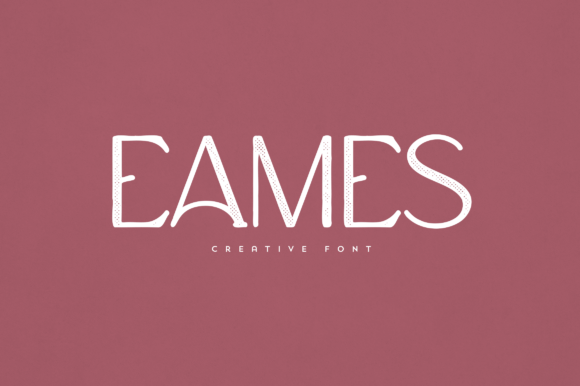
Eames: A Strategic Choice for Typography That Elevates Brand and Communication
The Eames font is more than just a visual choice—it's a strategic tool that can shape how your brand is perceived, how your message is delivered, and how your audience engages with your content. With its elegant and versatile design, Eames offers a unique balance of sophistication and clarity that makes it ideal for a wide range of applications. Whether you're crafting a logo, designing product packaging, or creating a headline, Eames provides a refined aesthetic that stands out without overwhelming the viewer.
For professionals in branding, marketing, and design, Eames represents a thoughtful approach to typography. It’s not just about looking good; it’s about making deliberate choices that align with your goals. When used intentionally, Eames can reinforce your brand identity, enhance readability, and create a cohesive visual language across all touchpoints.
Why Eames Matters in Strategic Design Decisions
In the world of branding and communication, typography plays a critical role in shaping perception. The right font can communicate professionalism, creativity, or simplicity—depending on your brand’s voice and objectives. Eames is particularly effective because it combines a modern, clean structure with subtle elegance, making it adaptable to both digital and print media.
When considering Eames for your projects, think about how it aligns with your overall strategy. For instance, if your brand aims to project a sense of refinement and innovation, Eames can support that positioning. If your goal is to create a memorable logo, Eames can help you stand out in a crowded market. Its versatility allows it to work well in different contexts, from high-impact headlines to subtle text overlays.
Strategic Use Cases for Eames
Eames is especially powerful when used in specific scenarios where visual impact and clarity are essential. Here are some practical use cases:
- Logos and Branding: Eames can be used to create a strong, recognizable brand identity. Its clean lines and balanced proportions make it ideal for logos that need to be both distinctive and professional.
- Product Packaging: In retail environments, typography plays a key role in attracting attention and communicating value. Eames adds a touch of class that can elevate the perceived quality of your products.
- Magazine Headers and Publications: For editorial content, Eames brings a level of sophistication that enhances readability and visual appeal, making it a great choice for headlines and subheadings.
- Home-Ware and Decor: When designing for home goods or interior spaces, Eames can add a stylish, modern feel that complements other design elements.
- Text Overlays on Images: Whether for social media, presentations, or website banners, Eames can serve as a stylish text overlay that enhances visual storytelling without distracting from the background.
Planning Your Approach to Using Eames
To get the most out of Eames, consider the following planning steps:
- Define Your Goals: Before selecting a font, ask yourself what you want to achieve. Is it brand recognition, visual appeal, or improved readability? Eames can support these goals, but only if used with intention.
- Understand Your Audience: Different audiences respond to different styles. If your target demographic values elegance and modernity, Eames may be a strong fit. If your audience prefers simplicity, consider how Eames aligns with their expectations.
- Test Across Media: Ensure that Eames looks good in both digital and print formats. Test it at various sizes and on different backgrounds to see how it performs in real-world applications.
- Combine Thoughtfully: While Eames is versatile, it may not work well with every other font. Pair it with complementary typefaces that enhance rather than compete with its style.
Key Considerations for Effective Implementation
Using Eames effectively requires more than just choosing a font—it involves understanding the broader implications of your design decisions. Here are some important considerations:
- Context Matters: Eames works best in settings where a polished, professional look is desired. Avoid using it in casual or informal contexts where it might seem out of place.
- Readability is Critical: Even the most elegant font needs to be readable. Ensure that Eames is used in appropriate sizes and spacing to maintain legibility, especially in longer text blocks.
- Consistency Builds Trust: Once you choose Eames, use it consistently across all platforms and materials. Inconsistent typography can confuse your audience and weaken your brand presence.
- Be Aware of Limitations: While Eames is highly versatile, it may not suit every project. Understand its strengths and limitations to avoid overextending its use in unsuitable contexts.
How Eames Supports Long-Term Branding and Communication Strategy
Typography isn’t just about aesthetics—it’s about building a consistent and recognizable brand over time. Eames contributes to this by offering a font that remains relevant and adaptable as your brand evolves. Its timeless design ensures that it won’t go out of style quickly, which is valuable for long-term branding efforts.
Moreover, Eames supports strategic communication by reinforcing the tone and message of your content. Whether you’re aiming for a bold statement or a subtle expression, Eames provides a visual language that aligns with your messaging. This alignment helps create a stronger connection with your audience, enhancing trust and engagement.
Common Risks of Using Eames Without Clear Intent
Like any design element, Eames can be misused if not applied thoughtfully. One common risk is using it without a clear purpose, which can lead to a lack of focus in your design. If Eames is chosen randomly, it may not contribute meaningfully to your brand or message.
Another risk is overuse. While Eames is versatile, using it excessively across all elements of your design can dilute its impact. It should be used strategically, not as a default choice for every text element.
Additionally, poor implementation—such as incorrect sizing, spacing, or pairing—can reduce the effectiveness of Eames. Always test it in real-world scenarios to ensure it meets your standards and goals.
Intentional Use of Eames: A Guide for Decision-Makers
For decision-makers, the goal is to use Eames in ways that directly support business outcomes. Here are some tips for intentional use:
- Align with Brand Identity: Ensure that Eames reflects the core values and personality of your brand. It should not just look good, but also resonate with your audience.
- Focus on Outcomes: Ask how Eames will help achieve specific results, such as increased brand recognition, improved customer engagement, or enhanced user experience.
- Balance Aesthetics with Functionality: Strive for a design that is both visually appealing and functional. Eames can be beautiful, but it must also serve the purpose of your communication.
- Invest in Quality: Choose high-quality versions of Eames that are optimized for different platforms and resolutions. Poorly rendered fonts can detract from the overall impact of your design.
Conclusion: Eames as a Strategic Asset
Eames is more than a font—it’s a strategic asset that can enhance your branding, communication, and design efforts. When used with intention and clarity, it can elevate your work and help you achieve better results. By understanding its strengths, limitations, and best practices, you can make informed decisions that align with your goals and values.
Whether you're an entrepreneur, marketer, designer, or educator, Eames offers a powerful way to express your vision with elegance and precision. By integrating it thoughtfully into your projects, you can create a lasting impression that resonates with your audience and supports your long-term success.