The Hoca: A Versatile and Stylish Display Font for Modern Design
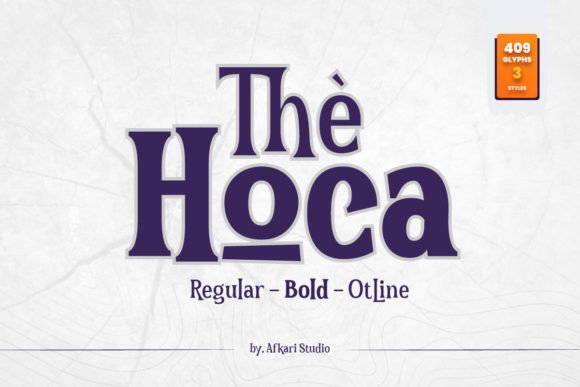
The Hoca is a display font that blends modernity with elegance, offering a distinctive visual identity for a wide range of design projects. Its clean lines and refined structure make it suitable for both digital and print applications, providing designers with a flexible tool to enhance their creative work. Whether used in branding, packaging, or editorial layouts, The Hoca brings a sense of sophistication that can elevate the overall aesthetic of a design.
Unlike many other display fonts that prioritize boldness or ornamentation, The Hoca strikes a balance between readability and artistic flair. This makes it particularly useful in situations where legibility is important, such as in headlines or product labels. Its PUA encoding also ensures that users have access to all glyphs and ligatures without requiring special software, which simplifies the design process and reduces technical barriers.
What Makes The Hoca Stand Out?
The Hoca distinguishes itself through its unique combination of simplicity and character. While it may not be as ornate as some serif fonts or as angular as certain sans-serif designs, it offers a neutral yet stylish appearance that can adapt to various design contexts. This versatility is one of its key strengths, allowing it to function effectively in both contemporary and traditional settings.
One of the most notable features of The Hoca is its ability to maintain clarity at different sizes. This makes it ideal for use in headers, logos, and other prominent design elements where the font needs to be both visible and aesthetically pleasing. Additionally, its consistent stroke weight and balanced proportions contribute to a professional look that feels cohesive across different media.
Compared to other display fonts, The Hoca often falls into a category of typefaces that are less aggressive and more subdued. This can be an advantage in scenarios where a font needs to complement other design elements rather than dominate them. For instance, in a magazine layout, The Hoca might serve as a header font that draws attention without overshadowing the body text or images.
When The Hoca Is a Good Fit
The Hoca is particularly well-suited for projects that require a polished and modern appearance. It works well in branding initiatives where a clean, professional look is essential. For example, a startup looking to establish a contemporary image might choose The Hoca for its logo or website headings to convey a sense of innovation and reliability.
In the realm of product packaging, The Hoca can add a touch of class to labels and brand names. Its legibility at smaller sizes makes it a practical choice for items that need clear labeling without sacrificing style. Similarly, in wedding invitations, The Hoca can provide a sophisticated alternative to more traditional script fonts, offering a fresh and elegant option for couples who want something unique but still refined.
For designers working on magazine headers or editorial content, The Hoca provides a reliable option that balances visual appeal with readability. It can serve as a secondary font to complement a primary typeface, adding variety and depth to the overall design without creating confusion.
Considerations and Tradeoffs
While The Hoca is a strong choice for many design projects, it may not be the best fit for every situation. In cases where a more dramatic or eye-catching font is needed, The Hoca’s understated nature could be seen as a limitation. For example, in a high-impact advertising campaign, a bolder or more decorative font might be more effective in capturing attention.
Another factor to consider is the context in which the font will be used. The Hoca’s minimalist approach may not align with certain design styles that rely on more elaborate typography. In such cases, alternatives like brush scripts or geometric sans-serifs might be more appropriate. However, this does not mean The Hoca is unsuitable—it simply requires careful consideration of how it fits within the broader design framework.
Additionally, while The Hoca is PUA encoded, which allows for easy access to all glyphs and ligatures, some users may still find the lack of standard encoding options limiting. This is especially true for those who work with older software or platforms that do not fully support PUA. In these instances, it may be necessary to explore other fonts that offer more widespread compatibility.
Comparing The Hoca to Similar Fonts
When evaluating display fonts, it’s helpful to compare them based on factors such as legibility, style, and versatility. The Hoca sits in a space between more decorative fonts and strictly functional ones, making it a good middle ground for designers who want a balance of form and function.
Fonts like Montserrat or Open Sans are often used for similar purposes, but they tend to be more utilitarian in nature. These fonts prioritize clarity and readability, which makes them excellent choices for body text or interface design. However, they may lack the stylistic flair that The Hoca offers, which can be a drawback in projects that require a more distinctive visual identity.
On the other hand, fonts like Playfair Display or Great Vibes are more ornate and expressive, often used in luxury or artisanal contexts. While these fonts can add a high level of elegance, they may not be as versatile as The Hoca. Their complexity can sometimes make them difficult to pair with other typefaces, limiting their usefulness in multi-font designs.
The Hoca, by contrast, offers a more neutral and adaptable approach. It can be paired with a wide range of other fonts without clashing, making it a valuable asset in multi-layered design projects. This flexibility is one of its greatest advantages, especially for designers who work on diverse or evolving projects.
Practical Use Cases and Examples
One practical application of The Hoca is in clothing branding, where it can be used on tags, labels, or even printed directly onto garments. Its clean lines and modern feel make it a great fit for brands that want to project a sleek and up-to-date image. For example, a streetwear label might use The Hoca on its logo to convey a sense of urban sophistication without being overly flashy.
In product packaging, The Hoca can help differentiate a brand from competitors. A skincare company, for instance, might use it on its product boxes to create a sense of luxury and refinement. The font’s ability to remain legible at small sizes ensures that important information is clearly visible, even on compact packaging.
Wedding invitations are another area where The Hoca shines. Couples looking for a modern yet elegant alternative to traditional script fonts might find it appealing. Its subtle curves and balanced structure can add a touch of class without overwhelming the design, making it a popular choice for minimalist or contemporary weddings.
Deciding When to Use The Hoca
Choosing the right font often comes down to understanding the specific needs of a project. If the goal is to create a clean, professional, and adaptable design, The Hoca is a strong candidate. It works well in situations where the font needs to be both visually appealing and functionally effective.
However, if the project requires a more dramatic or highly stylized look, The Hoca may not be the best choice. In such cases, exploring other fonts that offer more visual impact could be beneficial. The key is to match the font’s characteristics with the design’s objectives and the intended audience’s expectations.
Ultimately, The Hoca is a valuable addition to any designer’s toolkit, offering a blend of style, versatility, and usability. By understanding its strengths and limitations, designers can make informed decisions about when and how to use it, ensuring that it enhances rather than hinders their creative vision.