Shadow Effect: A Playful Font for Creative Projects
When it comes to design, the right font can make all the difference. Shadow Effect is a display font that brings a unique blend of cuteness and playfulness to any project. Whether you're working on a children's book, a game, or a branding campaign, this font offers a visual style that stands out. Its soft shadows and whimsical look add a touch of charm that can elevate your work in unexpected ways.
For creators looking to add personality to their designs, Shadow Effect provides a fresh alternative to more traditional typefaces. It’s ideal for projects that require a lighthearted or nostalgic feel. But what exactly makes this font special, and how can it benefit your creative process?
What Is Shadow Effect and Why Does It Matter?
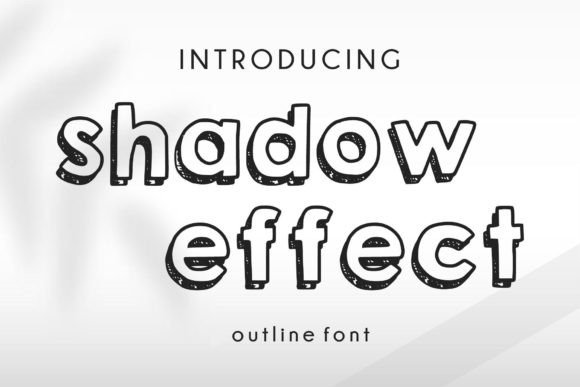
Shadow Effect is a display font designed with a focus on aesthetics and visual appeal. Its characters feature subtle shadow effects that give the text a three-dimensional quality. This detail adds depth and interest, making the font suitable for a variety of applications where visual impact is important.
Unlike many fonts that prioritize clarity over style, Shadow Effect balances both. The font maintains readability while offering a distinctive look that can enhance the overall design. This balance is particularly valuable for designers who want to maintain professionalism without sacrificing creativity.
The font’s playful nature makes it especially appealing for projects targeting younger audiences or those with a fun, imaginative theme. However, its versatility means it can also be used in more sophisticated contexts when the tone calls for it. The key is knowing when and how to use it effectively.
Practical Benefits of Using Shadow Effect
One of the main advantages of Shadow Effect is its ability to add character to text without overwhelming the viewer. For example, in a children’s game, using this font can create an engaging and inviting atmosphere. The soft shadows and rounded shapes evoke a sense of warmth and approachability, which is essential when designing for young users.
Another benefit is the time it can save during the design process. Instead of searching for multiple fonts to achieve a specific look, designers can rely on Shadow Effect to provide a cohesive and stylish result. This efficiency is especially useful for freelancers or small businesses that need to produce high-quality work quickly.
Additionally, Shadow Effect supports creative expression by offering a unique visual identity. For entrepreneurs or marketers, this can help differentiate their brand from competitors. A well-chosen font can become a signature element of a brand’s visual language, reinforcing recognition and trust.
Who Can Benefit Most from Shadow Effect?
Graphic designers, illustrators, and web developers often find value in fonts like Shadow Effect. These professionals are constantly seeking tools that allow them to express their vision effectively. The font’s aesthetic makes it a strong choice for anyone involved in creating content for children, entertainment, or lifestyle brands.
Teachers and educators may also appreciate the font for classroom materials or educational games. Its playful style can make learning more engaging, especially for younger students. By incorporating Shadow Effect into worksheets, posters, or interactive activities, educators can create a more dynamic and enjoyable learning environment.
Small business owners looking to build a brand identity might consider using Shadow Effect for logos, marketing materials, or social media posts. The font’s charm can help convey a friendly and approachable image, which is crucial for businesses aiming to connect with their audience on a personal level.
Real-World Applications and Use Cases
Consider a scenario where a designer is working on a children’s app. Using Shadow Effect for buttons, headings, or instructions can create a more immersive experience. The font’s visual style complements the app’s theme, making the interface feel more cohesive and appealing to its target audience.
In another example, a blogger might use Shadow Effect for a section of their website that features stories or illustrations. The font can add a whimsical touch that enhances the storytelling aspect of the content. This subtle detail can make the reader’s experience more memorable and enjoyable.
Even in more formal settings, such as a presentation or report, Shadow Effect can be used strategically. For instance, a marketing team might incorporate the font into a slide deck to highlight key points in a visually interesting way. When used sparingly, it can draw attention without distracting from the main message.
Limitations and Considerations
While Shadow Effect is a versatile and appealing font, it’s not suited for every situation. In cases where clarity and precision are critical—such as in technical documents or legal texts—the font may not be the best choice. Its decorative elements could interfere with readability, making it less effective for these types of projects.
Designers should also consider the context in which the font will be used. For example, if the final output is going to be printed, it’s important to test how the font appears in different sizes and formats. Some details, like the shadow effects, may not translate well in certain mediums, so adjustments might be necessary.
Ultimately, the decision to use Shadow Effect should be based on the specific needs of the project. While it offers a range of benefits, it’s important to evaluate whether it aligns with the overall design goals and audience expectations.
How to Get the Most Out of Shadow Effect
To make the most of Shadow Effect, start by experimenting with different styles and layouts. Try using it in combination with other fonts to see how it interacts with the overall design. This can help you find the right balance between creativity and functionality.
Additionally, pay attention to spacing and alignment. Since the font has a distinct visual style, careful placement can ensure that the text remains legible and aesthetically pleasing. Avoid overcrowding or overusing the font, as this can diminish its impact.
Finally, don’t hesitate to seek feedback from others. Whether it’s colleagues, clients, or members of your target audience, getting an outside perspective can help you determine whether the font is achieving the desired effect.
Shadow Effect is more than just a font—it’s a tool that can inspire creativity and enhance visual communication. By understanding its strengths and limitations, you can use it effectively to support your design goals and bring your ideas to life in a more engaging way.