Pixelout: A Bold Fusion of Psychedelic and Vintage Design
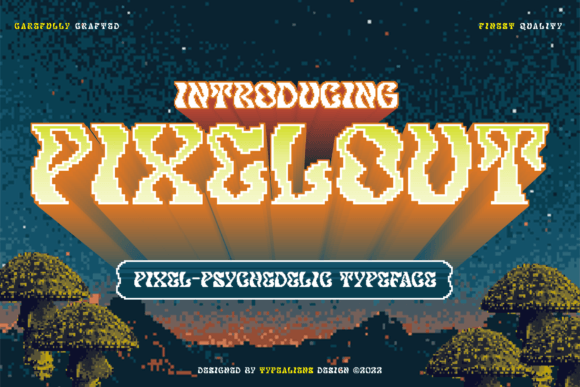
In the ever-evolving world of typography, Pixelout stands out as a distinctive display font that blends bold serifs with a psychedelic aesthetic and a low-pixel effect reminiscent of retro video games. This unique combination makes it ideal for creative projects that demand visual impact and a sense of nostalgia. Whether you're designing a game, a band poster, or a music event flyer, Pixelout offers a fresh and eye-catching alternative to traditional fonts.
The rise of Pixelout reflects a broader trend in design where vintage and digital aesthetics intersect. As more creators seek to differentiate their work in a saturated market, fonts like Pixelout provide a way to stand out while evoking a sense of familiarity. Its pixelated strokes give it a tactile quality that feels both modern and old-school, making it a versatile choice for various applications.
One of the key reasons Pixelout has gained attention is its ability to bridge the gap between retro gaming and contemporary design. The low-pixel effect adds a layer of authenticity that resonates with audiences who grew up playing classic video games. At the same time, the bold serif elements add a level of sophistication that can elevate any project from simple to stunning.
The Evolution of Retro-Inspired Typography
Retro-inspired design has been on the rise for several years, driven by a desire for authenticity and a connection to the past. This trend isn't just about nostalgia; it's also about finding new ways to express creativity in a digital age. Fonts like Pixelout play a crucial role in this movement by offering a visual language that speaks to both history and innovation.
Designers and artists are increasingly turning to retro styles to create something that feels both familiar and original. Pixelout fits perfectly into this narrative, providing a tool that allows for experimentation without sacrificing clarity or readability. Its structure is clean enough to be legible at smaller sizes, yet expressive enough to make a statement when used prominently.
This shift towards retro design is also influenced by changes in how people consume media. With the rise of mobile devices and social platforms, visual content needs to grab attention quickly. Pixelout’s bold and distinctive style ensures that it doesn’t get lost in the noise, making it an effective choice for headlines, logos, and other high-impact elements.
Why Pixelout Matters in Modern Design
For professionals in fields such as graphic design, marketing, and branding, Pixelout offers a unique opportunity to infuse personality into their work. It’s not just a font—it’s a design decision that can set a project apart. In industries where differentiation is key, Pixelout provides a powerful tool to create memorable visuals.
Consider a music festival poster. Traditional fonts might blend in with the crowd, but Pixelout adds a dynamic edge that draws the eye and communicates energy. Similarly, for a game developer looking to create a title screen, Pixelout can help establish a distinct identity that aligns with the game’s theme.
The versatility of Pixelout extends beyond entertainment. Educators and content creators can use it to make learning materials more engaging, while entrepreneurs might find it useful for branding their products or services. Its ability to convey both nostalgia and modernity makes it a valuable asset in a wide range of contexts.
Practical Applications and Creative Possibilities
Pixelout’s appeal lies in its adaptability. It works well in both digital and print formats, making it suitable for a variety of projects. For instance, a musician launching a new album could use Pixelout for the cover art, adding a retro-futuristic vibe that complements the music’s style. A game studio might incorporate it into their logo or promotional materials to evoke a sense of adventure and exploration.
Another practical use is in web design. While Pixelout may not be ideal for body text due to its stylized nature, it shines in headings, buttons, and other interactive elements. When used thoughtfully, it can enhance user experience by creating a cohesive visual theme that aligns with the site’s purpose.
For those experimenting with digital art, Pixelout can serve as a source of inspiration. Its pixelated texture encourages a playful approach to design, allowing creators to explore new techniques and styles. This makes it particularly appealing to hobbyists and independent artists who want to push the boundaries of their work.
Trends Shaping the Future of Typography
The popularity of Pixelout is part of a larger conversation about the future of typography. As technology advances, so do the tools available to designers. However, there’s a growing appreciation for fonts that embrace imperfection and character, rather than striving for flawless uniformity.
This shift is evident in the increasing use of hand-drawn and custom fonts, which offer a level of uniqueness that mass-produced typefaces often lack. Pixelout fits into this category by combining the structured elegance of serif fonts with the raw energy of pixel art. This hybrid approach appeals to a generation that values both craftsmanship and innovation.
Moreover, the resurgence of interest in vintage aesthetics is influencing how people perceive design. Many consumers are drawn to products and visuals that feel authentic and meaningful. By incorporating a font like Pixelout, creators can tap into this sentiment and build stronger connections with their audience.
Recommendations for Using Pixelout
If you’re considering using Pixelout in your projects, start by understanding its strengths and limitations. It excels in display settings where it can be seen clearly, but it may not be the best choice for long paragraphs of text. Experiment with different sizes and placements to find what works best for your specific needs.
Pairing Pixelout with complementary fonts can also enhance its impact. For example, using a clean sans-serif for body text while reserving Pixelout for headlines can create a balanced and professional look. This approach allows you to leverage the font’s unique qualities without overwhelming the design.
Finally, don’t be afraid to think outside the box. Pixelout’s unconventional style invites creative experimentation. Whether you’re working on a personal project or a client’s campaign, consider how this font can help tell a story or evoke a particular emotion. Its versatility and visual appeal make it a valuable addition to any designer’s toolkit.
As the design landscape continues to evolve, fonts like Pixelout will remain relevant for those who seek to create something truly distinctive. By embracing the fusion of retro and modern elements, Pixelout offers a fresh perspective on typography that is both functional and expressive.