Harwe: A Modern, Natural-Looking Display Font for Every Project
When selecting a font for a design project, the choice can significantly impact the overall aesthetic and readability of the content. Harwe is a modern, natural-looking display font that offers a unique blend of elegance and versatility. Whether you're working on a website, branding material, or editorial layout, understanding the strengths and limitations of Harwe can help you make an informed decision about its suitability for your needs.
What Is Harwe?
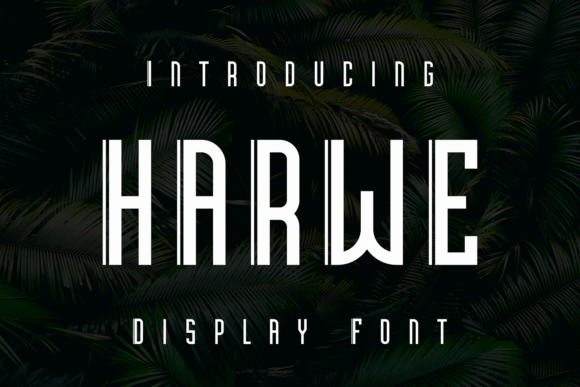
Harwe is a display font designed to provide a clean, contemporary look while maintaining a sense of warmth and approachability. It is often used in contexts where a strong visual presence is needed without sacrificing legibility. The font features a balanced structure with subtle variations in stroke weight, giving it a natural, handcrafted feel. This makes it particularly well-suited for headings, logos, and other elements where visual impact is key.
Unlike some more rigid or geometric fonts, Harwe incorporates slight irregularities that mimic the nuances of handwritten typography. This characteristic can add a personal touch to designs, making them feel more authentic and engaging. However, this same feature may also mean that it is less ideal for large blocks of text, where consistency and clarity are paramount.
Why Consider Harwe?
There are several reasons why a designer or developer might consider using Harwe. First, its modern aesthetic aligns well with current design trends, making it a popular choice for projects that aim to appear up-to-date and visually appealing. Its natural look can also help differentiate a brand or piece of content from others that use more traditional or generic fonts.
Additionally, Harwe's versatility allows it to work across different mediums and formats. It can be used effectively in both digital and print applications, providing a cohesive visual identity across platforms. For designers looking to expand their font library, Harwe offers a fresh alternative that can complement other typefaces without clashing.
Benefits of Using Harwe
One of the primary benefits of Harwe is its ability to enhance the visual appeal of a design. Its clean lines and balanced proportions make it easy to read at larger sizes, which is essential for headings and titles. This makes it a strong candidate for use in marketing materials, presentations, and web headers.
Another advantage is its compatibility with a wide range of design styles. Whether the goal is to create a minimalist layout or a more expressive composition, Harwe can adapt to different aesthetics. This flexibility makes it a valuable addition to any font collection, especially for those who want to maintain a consistent yet dynamic visual language.
Furthermore, Harwe’s natural appearance can evoke a sense of authenticity and creativity. This can be particularly beneficial for brands that want to communicate a human-centered or artisanal identity. By using a font that feels slightly more organic, designers can reinforce the message they wish to convey through typography.
Tradeoffs and Considerations
While Harwe has many strengths, it is not without its limitations. One potential drawback is its suitability for body text. Due to its stylized strokes and subtle variations, it may not be as readable in long paragraphs as more traditional serif or sans-serif fonts. This means that it is best reserved for short, impactful text rather than extensive content.
Another consideration is the availability of the font. Depending on the platform or software being used, access to Harwe may require a license or subscription. Designers should verify whether the font is available in their preferred design tools and whether it meets their licensing requirements for commercial use.
Additionally, the font’s unique characteristics may not fit all design projects. In cases where a more formal or structured look is required, alternatives such as Helvetica, Futura, or Georgia may be more appropriate. It’s important to evaluate how well Harwe aligns with the overall tone and purpose of the design before committing to its use.
Situations Where Harwe Excels
Harwe is particularly effective in scenarios where a strong visual statement is needed. For example, in logo design, its distinctive shape and rhythm can help create a memorable and recognizable identity. It also works well in editorial layouts, such as magazine covers or book titles, where a bold and elegant font can draw attention and set the tone.
In digital environments, Harwe can be used to highlight key messages or calls to action. Its modern look can enhance the user experience by creating a visually engaging interface that feels both professional and approachable. When paired with complementary fonts, it can also help establish a clear typographic hierarchy.
When Alternatives May Be Better
For projects that require high readability in extended text, alternatives like Roboto, Open Sans, or Lato may be more suitable. These fonts are designed with legibility in mind and offer a more neutral, consistent appearance that can support longer passages of text without causing eye strain.
Similarly, in highly formal or traditional contexts, fonts such as Times New Roman, Garamond, or Baskerville may be more appropriate. These typefaces have a long history of use in publishing and can convey a sense of authority and reliability that may not be as evident with Harwe.
Designers should also consider the target audience when choosing a font. If the audience is more conservative or prefers a classic look, a more traditional font may be better received than a stylized one like Harwe. Understanding the preferences and expectations of the intended users is an essential part of the decision-making process.
Making the Right Choice
Deciding whether to use Harwe ultimately depends on the specific goals of the project and the design vision. If the objective is to create a modern, visually striking element that stands out, Harwe can be an excellent choice. However, if the focus is on clarity, consistency, or formality, other fonts may be more appropriate.
Before finalizing a decision, it’s recommended to test Harwe in different contexts. Experimenting with various sizes, colors, and backgrounds can help determine how well it performs in real-world scenarios. This trial-and-error approach can reveal any potential issues and ensure that the font meets the project’s requirements.
Ultimately, the key to successful typography lies in understanding the strengths and limitations of each font. By carefully evaluating options like Harwe, designers can make choices that enhance both the functionality and aesthetics of their work. Whether it’s the right fit or not, having a clear understanding of the font’s capabilities can lead to more informed and effective design decisions.