Frimpong: A Handwritten Display Font for Creative Workflows
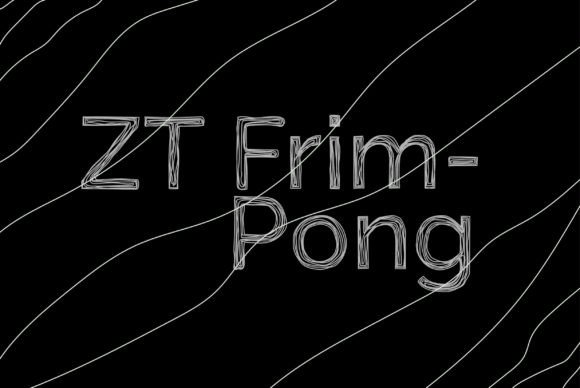
Frimpong is a versatile handwritten display font that brings a personal and artistic touch to digital projects. Designed with a natural, organic feel, it works well in a variety of contexts where creativity and individuality are valued. Whether you're working on branding, design, content creation, or personal projects, Frimpong can enhance the visual appeal and emotional resonance of your work.
As a font that mimics the fluidity of hand-drawn letters, Frimpong is ideal for situations where a more authentic, humanized look is desired. It’s not just a stylistic choice—it's a tool that can influence how your message is perceived and received. Understanding how to integrate Frimpong into your workflow can help you make better use of its unique characteristics and achieve more cohesive, expressive results.
Understanding Frimpong in the Broader Process
Frimpong fits into the broader process of design and communication as a key element that adds personality and style. In any project that involves text—whether it's a logo, a website header, a social media post, or a printed flyer—Frimpong can serve as a visual anchor that differentiates your work from others. Its handwritten nature makes it particularly effective when you want to convey warmth, creativity, or a sense of individuality.
Before starting a project, consider the tone and message you want to communicate. If your goal is to create a more approachable or expressive identity, Frimpong can be a valuable addition to your design toolkit. It complements other fonts and design elements by adding contrast and visual interest without overwhelming the overall composition.
Using Frimpong in Different Stages of a Project
Frimpong can be used at multiple stages of a project, depending on your needs and goals. During the planning phase, it can help visualize how text will appear in a final design. For example, if you're creating a brand identity, experimenting with Frimpong in mockups can give you a better sense of how it will look alongside other design elements like colors, logos, and layouts.
During the execution phase, Frimpong can be applied directly to design files, such as Adobe Photoshop, Illustrator, or Figma. Its readability in larger sizes makes it suitable for headings, titles, and banners. When using it in this way, ensure that it aligns with the rest of your design language. For instance, pairing it with a clean sans-serif font can create a balanced and professional look.
After a project is completed, Frimpong can still play a role in quality control and consistency checks. Reviewing how it appears across different platforms and devices helps ensure that the intended aesthetic is maintained. This is especially important if your work is going to be published online or printed in physical formats.
Integration with Other Tools and Methods
Frimpong works well with a range of design tools and platforms. If you're using a design software like Canva, Figma, or Adobe Creative Suite, you can easily install and apply the font to your projects. Many of these platforms also allow you to preview how the font looks in different sizes and styles, which can help you make more informed decisions about its use.
In addition to design tools, Frimpong can be integrated into content management systems (CMS) and website builders. If you're managing a blog or a business site, adding Frimpong to your typography options can give your content a more personalized and creative edge. However, it's important to consider web compatibility and loading times, especially if you're using it extensively across multiple pages.
Practical Implementation Tips
To get the most out of Frimpong, start by understanding its strengths and limitations. It's best suited for display purposes rather than body text, as its detailed strokes and irregularities may reduce readability in long paragraphs. Use it for headlines, captions, or decorative elements where visual impact is more important than legibility.
When incorporating Frimpong into your workflow, organize your design assets so that it's easy to access and apply. Create a dedicated folder for font files, and keep a record of where and how you've used it in past projects. This can help maintain consistency and avoid confusion when working on new tasks.
Consider the context in which Frimpong will be used. For example, if you're designing for a professional audience, a more refined version of the font might be preferable. If you're targeting a younger or more casual demographic, the raw, unpolished look of Frimpong could be more appropriate. Always test the font in real-world scenarios to see how it performs under different conditions.
Workflow Examples and Observations
One practical use case for Frimpong is in social media content creation. For instance, when designing a promotional post for a small business, using Frimpong in the headline can draw attention and add a unique flair. Pairing it with a simple background and minimal text ensures that the focus remains on the message while still maintaining an engaging visual style.
Another example is in educational materials. Teachers or educators who create presentations or worksheets can use Frimpong to add a personal touch to their content. It can make learning materials feel more dynamic and less rigid, which can be especially beneficial for younger students or those who respond well to visual variety.
For entrepreneurs and freelancers, Frimpong can be a useful tool in branding efforts. Whether you're launching a new product or updating your website, using the font in your logo or tagline can help establish a distinct and memorable identity. It’s also a great option for packaging designs, where a handwritten look can convey authenticity and craftsmanship.
Long-Term Use and Maintenance
Over time, the effectiveness of Frimpong in your work may depend on how well it aligns with evolving trends and user expectations. Regularly review how it's being used and whether it continues to meet your design goals. If necessary, consider updating or replacing it with a newer variant that better suits your current needs.
Maintaining a consistent typographic style is essential for long-term use. If you're using Frimpong alongside other fonts, ensure that they complement each other and don’t create visual clutter. This can involve adjusting spacing, line height, and color contrast to achieve a harmonious look.
Finally, stay informed about updates and variations of Frimpong. Font designers often release new versions with improved features or additional characters. Keeping your font library up to date can help you take full advantage of its capabilities and ensure that your work remains visually compelling over time.